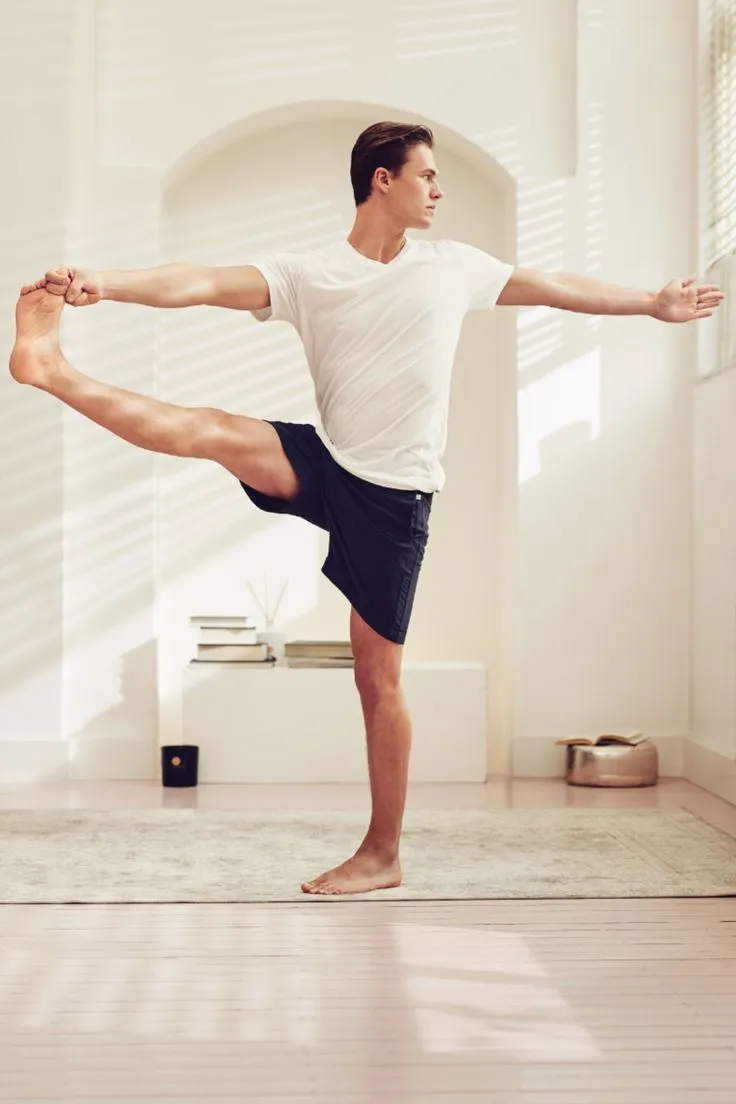
Why Micro-Habits Work
Research in behavioral psychology suggests that actions tied to existing cues are far more likely to persist than standalone commitments. Ten minutes is short enough to attach to something you already do every day.
Daily 10 Minutes
Seven sessions per week, each lasting ten minutes, totals seventy minutes of structured movement. Spread across mornings, the body adapts gradually without the strain of infrequent intensive blocks.
Weekly 90 Minutes
One longer session per week may feel productive in the moment, but without a daily anchor, the habit lacks the repetition needed to become automatic. Consistency frequency matters more than session length.
Habit Stacking Timeline
Follow this vertical sequence to integrate movement into routines you already perform without thinking.
Step 1 — Identify Your Anchor
Choose an existing daily action: pouring morning coffee, brushing teeth, or arriving home from work. This becomes the trigger that precedes your movement block.
Step 2 — Attach the Movement
Immediately after your anchor action, begin your ten-minute routine. The sequence becomes: coffee, then movement. Over time, one action naturally leads to the next.
Step 3 — Keep the Window Fixed
Resist expanding beyond ten minutes during the first two weeks. A fixed, manageable duration reduces decision fatigue and makes the habit easier to repeat.
Step 4 — Track Without Judgment
Mark each completed day on a simple calendar. Missing a day is information, not failure. Resume the next day without extending the session to compensate.
Step 5 — Review at Day 14
After two weeks, assess how the stacked habit feels. Adjust the anchor time or routine style if needed, but keep the ten-minute duration constant.

Practical Notes on Getting Started
What if I miss a day?
Resume the following day with the same ten-minute block. Extending sessions to catch up often leads to skipping again.
Can I change my anchor?
Yes. If your schedule shifts, select a new anchor action and maintain the same after-trigger movement sequence.
Do I need equipment?
No. All blueprint routines use bodyweight movements suitable for home or outdoor spaces.
How is this different from a workout plan?
This is a habit-formation framework, not an athletic training program. The focus is on repeatable daily action.